Shop by Vehicle

PWM & Resistors
PWM Modules & Anti Flicker Harness Fixes That Work
Here's a myth worth killing: that any "anti flicker harness" fixes any flicker problem. It doesn't. A bulb-out warning on your turn signal and a PWM flicker on your headlight are two different electrical problems caused by two different systems, and they need two different parts. This page exists to help you tell them apart before you order the wrong one.
Watch how these parts actually behave once they're installed, not just what the box says. If you're still choosing bulbs before you worry about flicker, start with LED Headlight Bulbs & Upgrades and come back here once they're in.
Load Resistors: What They Do And When You Need One
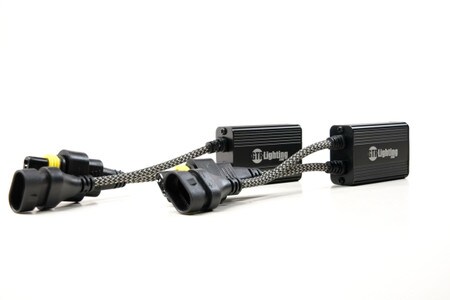
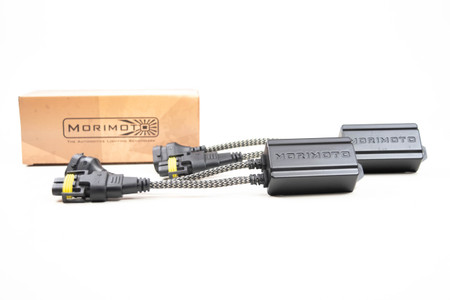
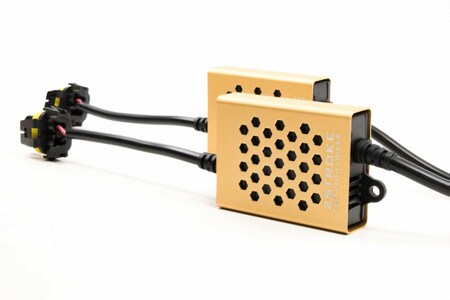
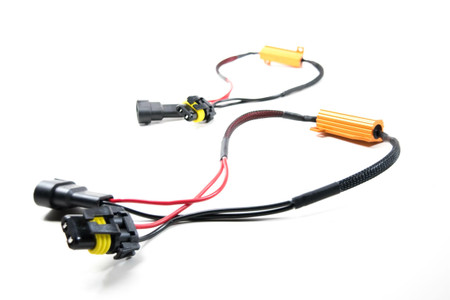
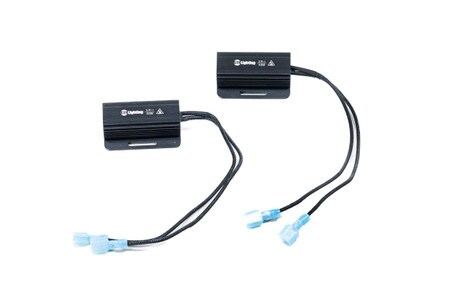
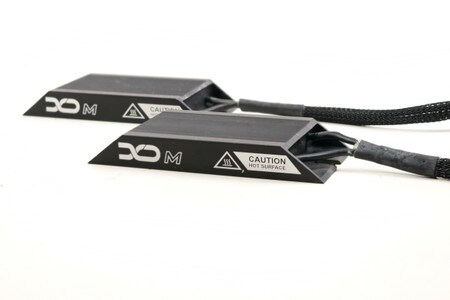
A load resistor is simple. It's a hard-ground device that burns off current as heat so your vehicle's body control module sees the same electrical load a halogen bulb would have produced. That's it. No smoothing, no circuitry, just resistance mimicking a filament.
This is the fix for bulb-out warnings and turn signal hyperflash, most commonly on tail lights, brake lights, and turn signals where the BCM is simply counting amperage draw.
PWM / Anti-Flicker Modules: What They Do And When You Need One
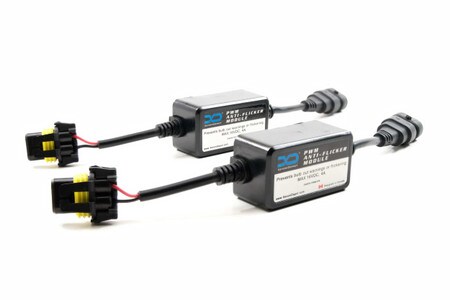
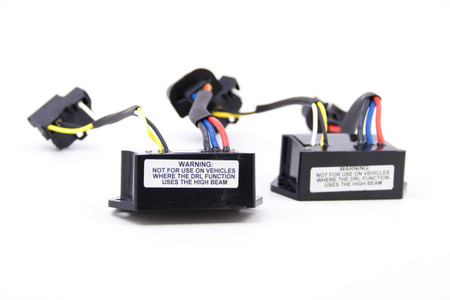
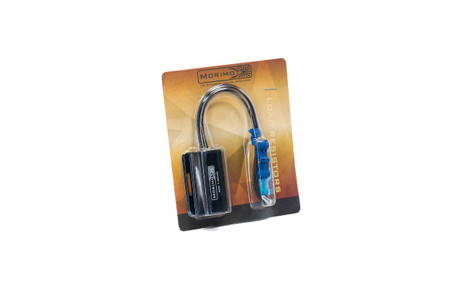
PWM modules are a different animal entirely. They're capacitor-based, and their job is to smooth a pulsed voltage signal so an LED bulb doesn't flicker, dim, or shut off entirely. Late model Ram trucks (2009 and newer use PWM to control their headlights), Jeep Wranglers, newer Silverados, and Ford Focus models all use PWM to control headlights and sometimes fog lights, and that pulsing signal is exactly what confuses an LED driver built for steady current.
So if your flicker is happening on a headlight, high beam, or DRL circuit rather than a signal light, a PWM module is usually the right tool, not a resistor. That said, some vehicles check both PWM signal quality and resistance load at the same time. Ram is a named example here, and in those cases you may end up needing a module and a resistor together to fully clear the system. We've also seen Volvo owners report a warning light persisting after a correct PWM install, with a load resistor commonly resolving it, though we treat that as a field-reported fix rather than a guaranteed one.

11 Results
Frequently Asked Questions
Do I need resistors for LED headlights?
Usually not for headlights specifically. Resistors solve bulb-out and hyperflash errors, which are far more common on turn signals, brake lights, and tail lights than on headlight circuits. If your headlights are flickering or shutting off, that's typically a PWM problem, not a resistance problem.
Do I need a CANBUS or PWM module for HID or LED?
If your vehicle uses PWM to control headlights or DRLs, which is common on newer Ram, Jeep Wrangler, Ford Focus, and newer Silverado trucks, then yes, a PWM module is usually required for LED or 35w HID bulbs to run without flickering. After that, if a bulb-out error still shows up, a load resistor may need to be added as well.
How do I install a load resistor or PWM module?
Both are typically plug-and-play into the factory bulb connector, with the resistor or module wired inline between the harness and the bulb. Bottom line: check polarity, mount the resistor on a metal surface if it gets warm, and confirm the connector size matches your bulb. For a full walkthrough see How to Install LED Resistors.
What's the difference between a load resistor and a PWM module?
A load resistor dissipates current as heat to fake a halogen-level load. A PWM module smooths a pulsed voltage signal so an LED bulb reads it as steady power. They solve different errors and are not substitutes for each other, even though both get lumped under "anti flicker" parts. For more on why LEDs sometimes don't work right out of the box, see Why Doesn't My LED Bulb Work After Install? or read up on whether your car has CANBUS in the first place.
We run into these two problems every day, on tail lights and on headlights alike, and we stock the resistors and modules to solve each one correctly rather than guessing. If you're still not sure which one your build needs, our Wiring & Parts section has the connectors and adapters to go with either choice.