Shop by Vehicle

Resistors & Relays
Choosing the Right LED Headlight Resistor or Relay
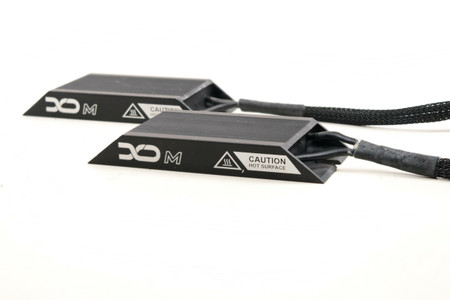
Swapping turn signal bulbs to LED can cause the dash indicator and the signal itself to flash faster than normal, a condition known as hyper-flash. The bulbs themselves are not the issue. The missing piece is almost always the resistor, and that is the gap this page is meant to close.
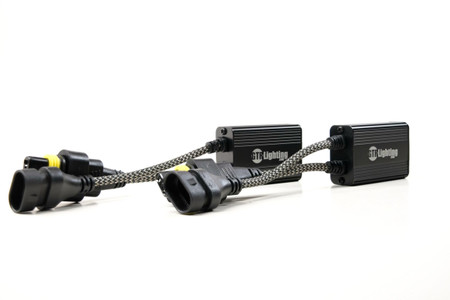
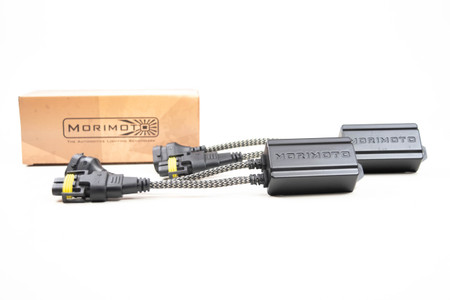
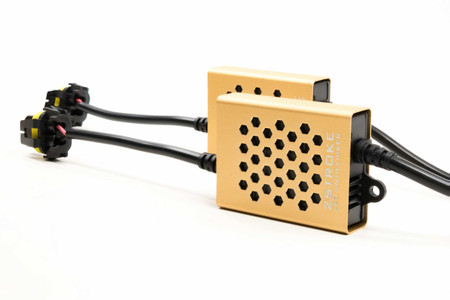
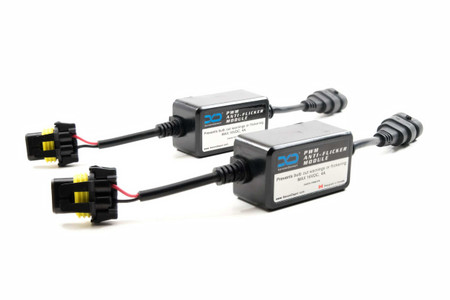
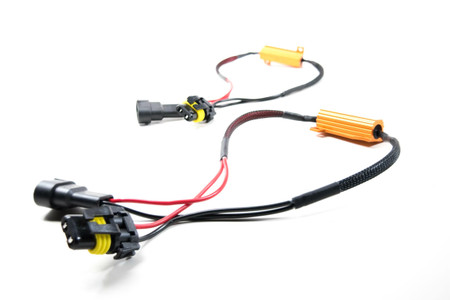
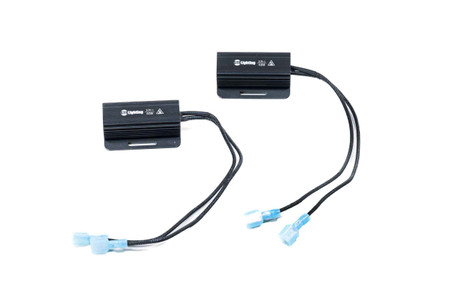
On many vehicles, the tail light turn signal circuit specifically requires a 7.5 ohm load resistor to stop hyper-flash, not just any generic resistor. A resistor that is not wired for the specific vehicle will not resolve the fast blink. A vehicle-specific kit comes with the correct resistor, the mounting screw, and the T-taps, which is why matching the part to the vehicle matters more than the resistor value alone.
This walkthrough covers testing wiring and confirming which wire is ground versus signal before connecting a resistor. On a common 3157 socket, one wire is ground, one is parking light, and one is turn signal, and the resistor only works when wired between ground and turn signal. If LEDs are going into turn signals rather than headlights, start with our Turn Signal Bulbs so the bulb and resistor pairing actually matches the socket.
Resistor or Relay: How to Tell Which One You Need
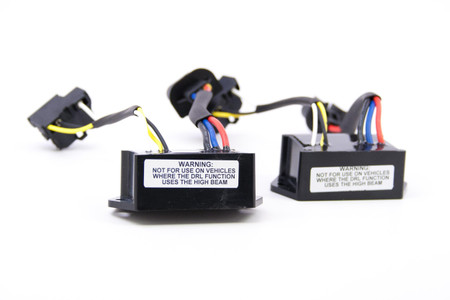
Not every hyper-flash problem has the same fix. Most newer vehicles with an integrated body control module only respond to a resistor wired directly into the turn signal circuit. Older vehicles with a separate, replaceable flasher unit sometimes just need that flasher swapped for an LED-compatible relay instead, which is a simpler job when the vehicle still has one. When it is unclear which setup a vehicle uses, our guide on whether you need a relay harness walks through both scenarios.
Bottom line: match the resistor to the vehicle and the bulb size, confirm ground and signal wires before connecting anything, and the hyper-flash goes away for good. For vehicles that run a CANBUS system, it is worth reading up on whether your car has CANBUS first, since that changes how the bulb and resistor interact. Confirming the right part ahead of time avoids chasing a flicker after the fact.
56 Results